John Limbocker — forty years in advertising,
now applied to the AI era.
When I was about eight years old, my father took me fishing on a friend’s sixty‑five foot Hatteras. We pulled out of the marina, the morning fog lifting off the water, and I stood on the bridge watching the marina drop into the distance.
I looked at my dad and asked the question every working-class kid eventually asks: “Why don’t we have one of these big boats?”
He smiled, ruffled my hair, and gave me an answer I’ve never forgotten. He told me about Pappy Boyington and the Black Sheep Squadron. About the men who, when the world told them what was possible, built something larger. And then he said the line that became my entire compass:
“Son, if you want a boat like this, you’re going to need a business. You’re never going to need a job.”
— My dad, on the deck of a borrowed Hatteras
I didn’t know it then, but that fishing trip set the trajectory for the next fifty years. By twenty-one, I had founded my first company. By twenty-five, I was charging Fortune 500 brands $3,500 a day for a single photograph. By forty, I was helping the world’s largest advertisers dominate every search engine on earth.
And by fifty-five, I made the decision that defines everything I do today: I took the entire playbook I’d built for billion-dollar brands and handed it to the small business owner.
A twenty-one-year-old founds Limbo Vision and starts charging Fortune 500 brands $3,500 a day for a single image.
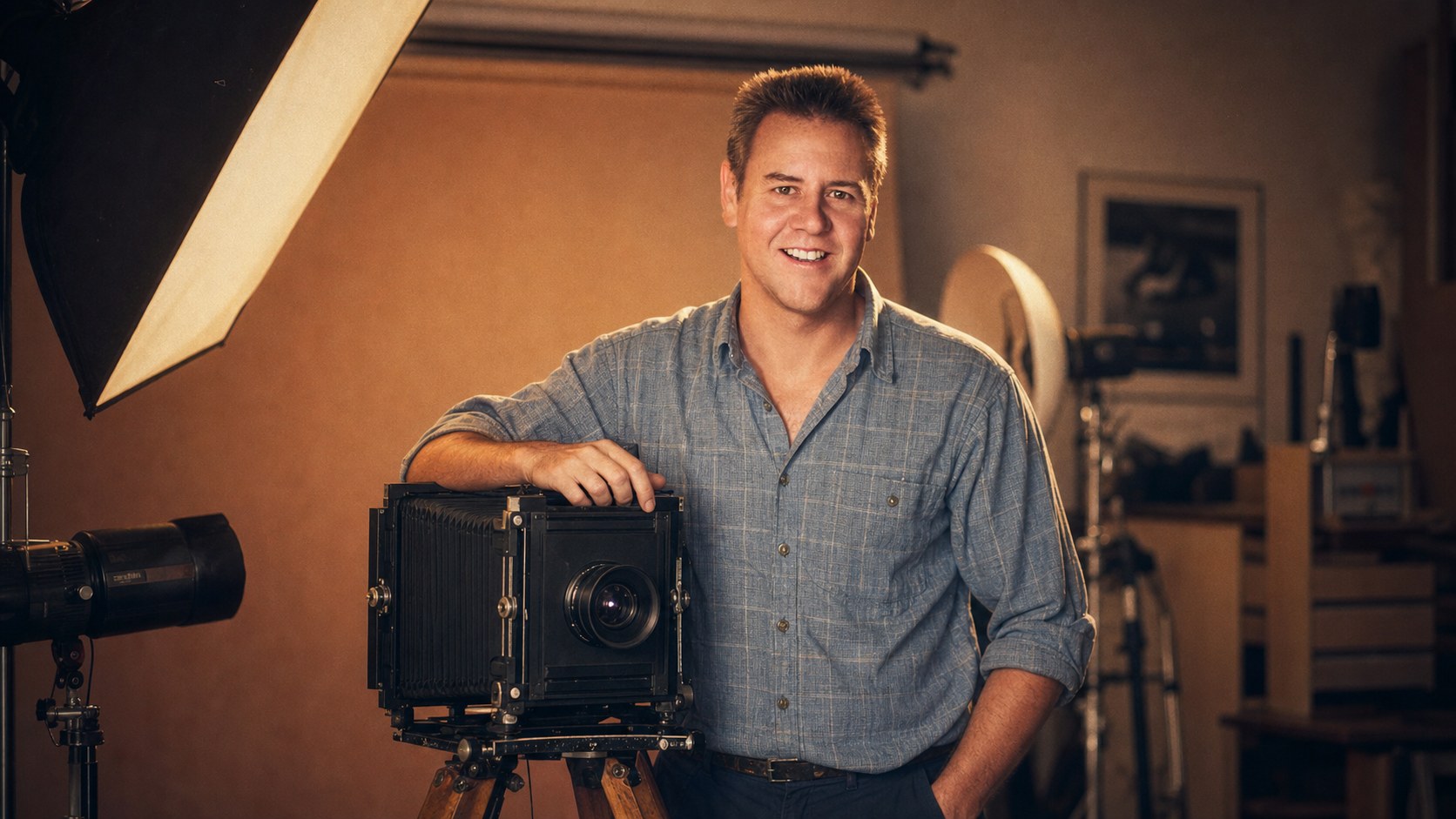
In March of 1985 — the day I turned twenty-one — I walked into a bank, applied for a business license, and founded Limbo Vision Photography. Special effects. Multiple exposures. The kind of work that could not be done on a single piece of film without forty-seven hours of planning and a perfectly timed shutter.
Within five years I was sitting in boardrooms at McDonald’s, Coca-Cola, Sears, JCPenney, and Mattel. Day rate: $3,500 for a single photograph — in 1989 dollars. The men and women in those boardrooms were not photographers. They were marketers. And every shoot was a free seminar.
I sat at those tables for ten years. I watched how the biggest brands on earth decided what to say, who to say it to, and why people would care. I took notes. I asked questions. And I started to see the pattern underneath all of it — the pattern that has nothing to do with the medium and everything to do with the message.
Then, in 1995, Adobe shipped Photoshop. The $3,500 day-rate became a $35 retouching job overnight. I had thirty days of warning. I needed a new wave.
I had already been on the World Wide Web for two years. So I gave away the website — and sold the hosting.
When Photoshop ate my photography business in 1995, I had a card up my sleeve nobody knew about. I’d already been logging into the World Wide Web since 1993 — back when there were maybe four hundred websites total and everyone read text on a black screen.
I called my photography clients and said the same thing to every one of them: “You need a website. I’ll build the first one for free. After that, you pay me $39 a month to host it.”
Every. Single. One. Said yes.
I called those first sites “electronic brochures” — the term hadn’t been invented yet. Within two years I had hundreds of small businesses paying recurring monthly hosting. The free-website-for-paid-hosting model is now a textbook funnel. In 1995 it was just survival logic.
What I didn’t realize until later: I had just built the perfect on-ramp to the third wave. Every one of those clients was about to need traffic.
> LIMBOVISION.COM — ONLINE 1995 « Electronic Brochures » Hosted Web Pages · $39/mo Built Free for Existing Clients [GUEST BOOK] [CONTACT] [PORTFOLIO] > You have 1 new visitor today. > Welcome to the World Wide Web.
Twenty-nine years on the world’s biggest search-marketing stages. $100 million in online sales generated for clients. And a small wooden gavel I called “The Machine.”
By 1994 I’d started reverse-engineering the seven major search engines of the era — AltaVista, Lycos, Excite, Infoseek, HotBot, WebCrawler, and a strange new one out of Stanford called “Google.” I figured out what they were ranking on and started writing rules.
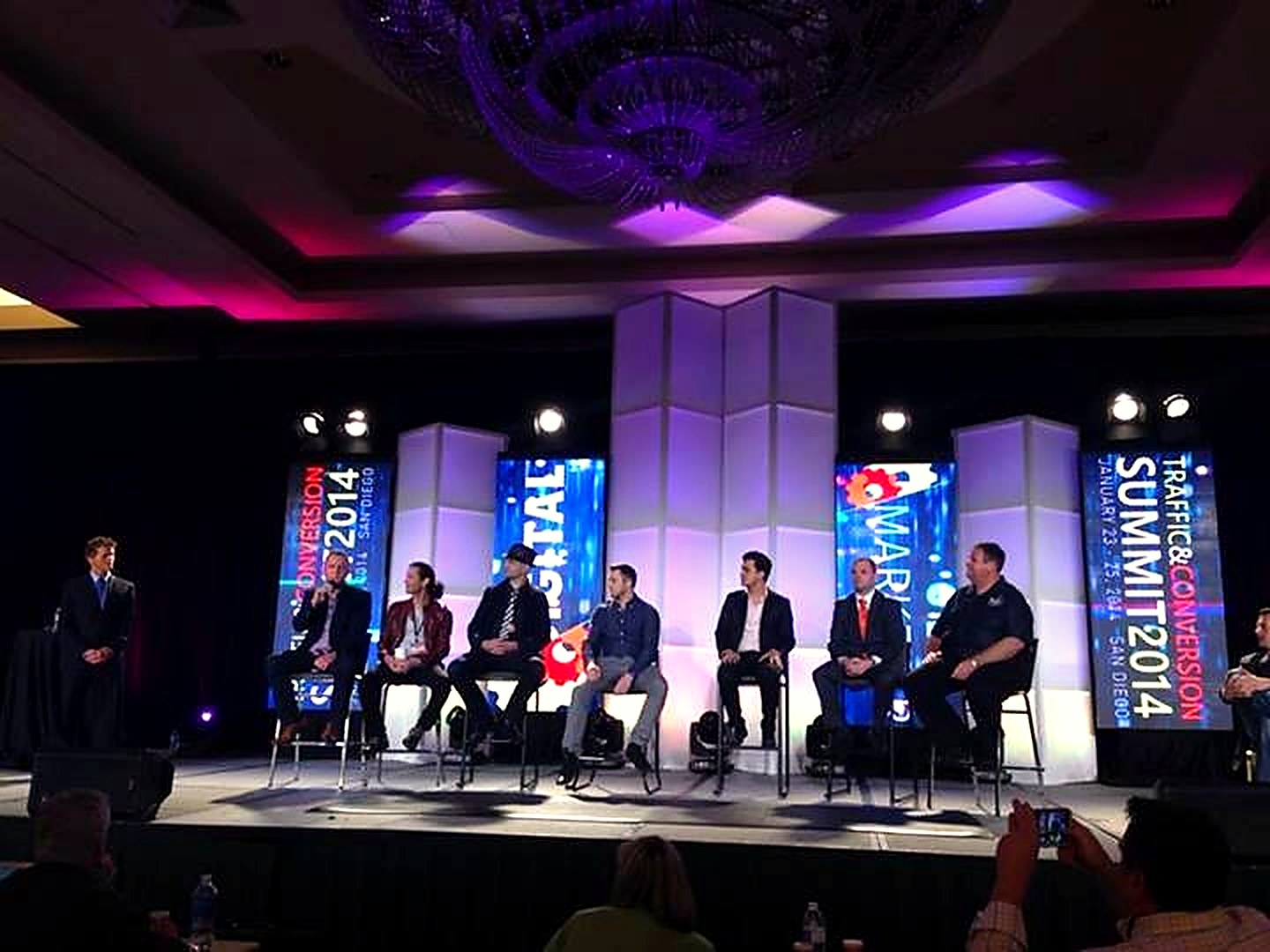
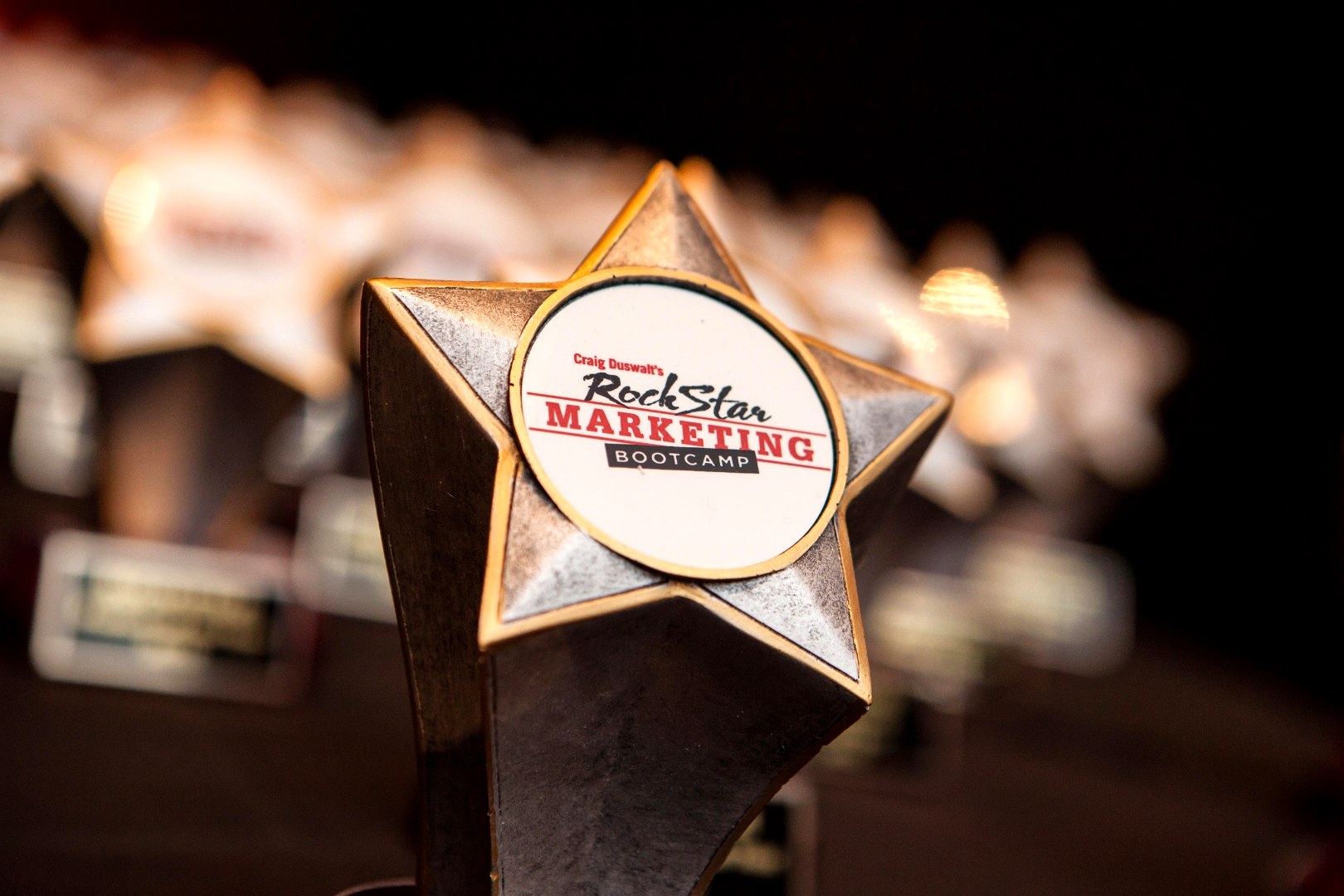
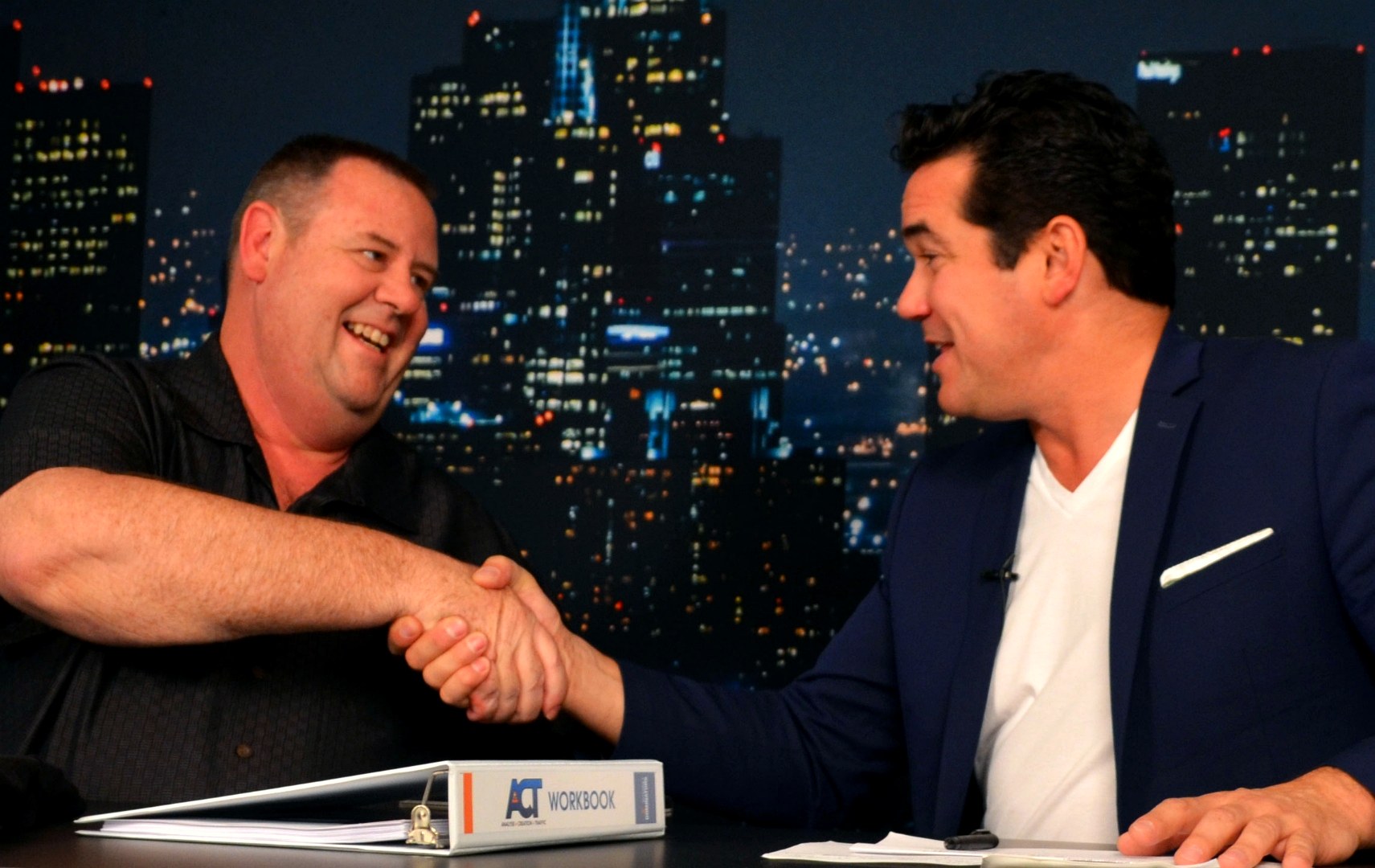
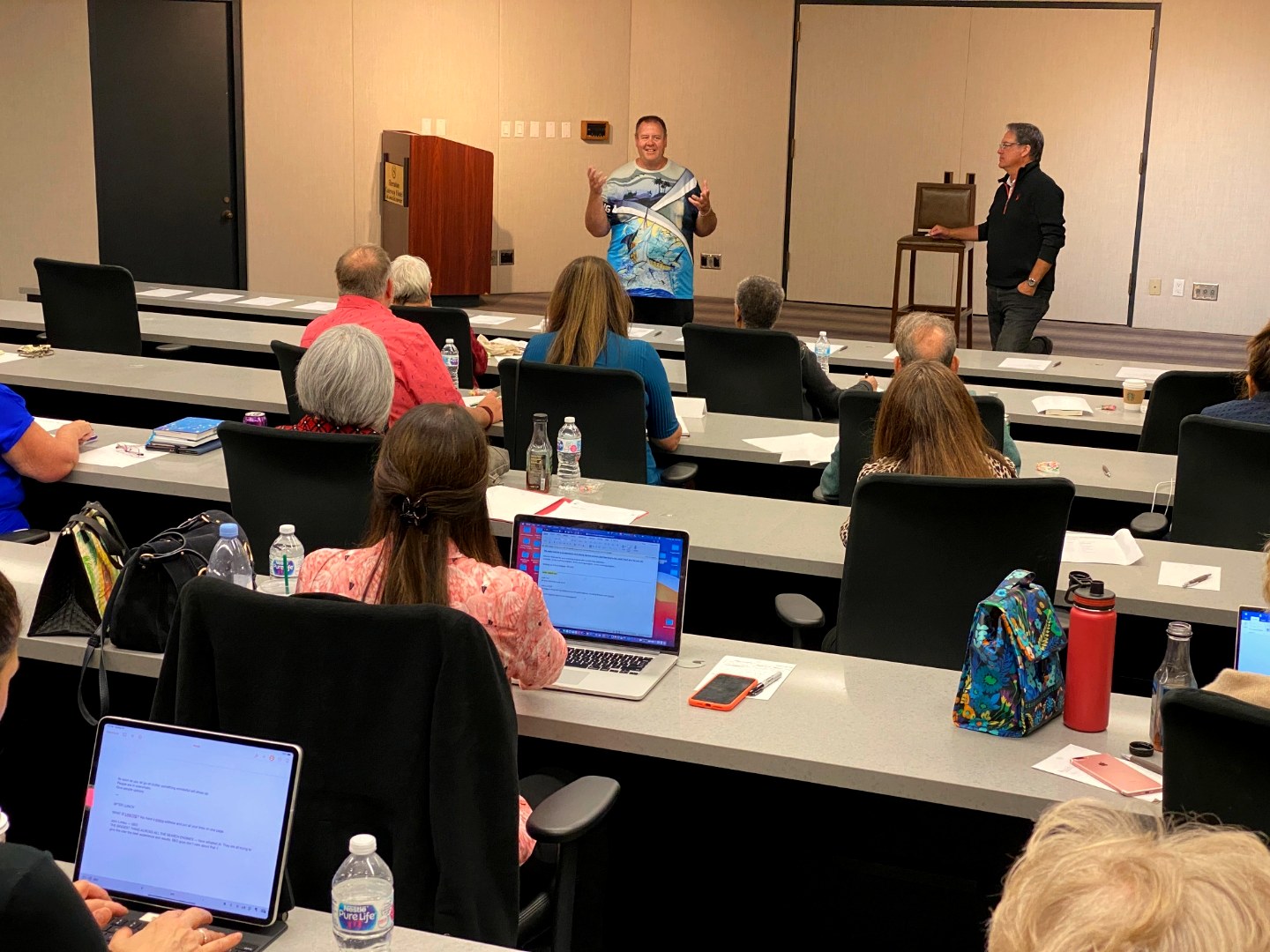
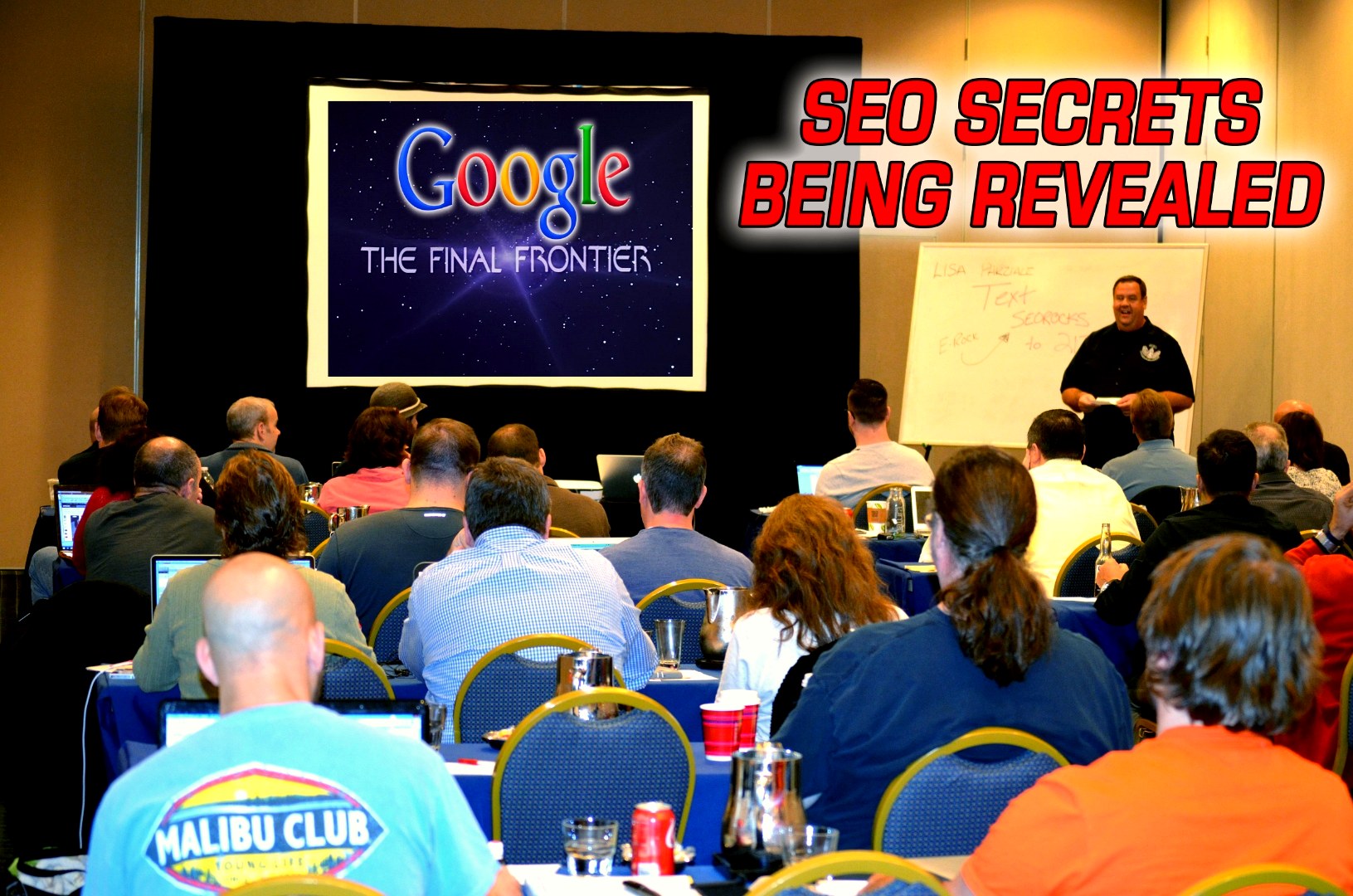
Those rules became the Internet Dominators methodology. Over twenty-nine years, that methodology produced documented results for hundreds of clients — cumulatively $100 million in online sales. I taught it from the keynote stage at Traffic & Conversion Summit, from the lecture hall at Pepperdine University, and from the Rock Star Marketing Bootcamp where the ACT Marketing Protocol was named Product of the Year.
The talks got bigger. The rooms got fuller. The headlines kept reading “SEO SECRETS BEING REVEALED.”
For nearly three decades I sat in the room where the decisions get made. McDonald’s asking if a free fry suggestion at the drive-thru window could lift average ticket by a dollar. Coca-Cola war-rooming a Super Bowl spot. Sears testing whether yellow or red on a coupon converted better that quarter.
And I watched the same thing happen, year after year: the biggest companies on earth had access to research, methods, and creative firepower that no small business owner could afford in a lifetime.
One morning I looked up from a quarterly review with a Fortune 100 client and asked myself a question I couldn’t un-ask:
“What if the woman running the local florist had the same playbook I just walked these people through?”
That was the turn. After two decades helping the biggest brands on earth crack every algorithm built to keep them out, I took the entire playbook — every framework, every protocol, every reverse-engineered ranking signal — and rebuilt it for the small business owner.
That’s what ACT 2.0 is. That’s what Optimancer is. That’s what Build A Becky is. That’s what every product on this site is.
Rob from the rich. Give to the small business owner. That’s the entire mission.
The same playbook, refit for ChatGPT, Perplexity, Claude, Gemini, and Google AI Overviews. AEO is just SEO with new gatekeepers.
In late 2023, AI engines started eating organic traffic. People stopped clicking the ten blue links. The answer engines — ChatGPT, Perplexity, Claude, Gemini, Google AI Overviews — began deciding which businesses got named and which ones disappeared.
To anyone who’d already cracked every previous algorithm, this looked exactly like 1994 all over again. New gatekeepers. New ranking signals. Same game.
So I built the next wave of products:
The methodology is the same one McDonald’s and Coca-Cola paid me to deploy on their behalf for thirty years. The difference: today it ships in a product, not a $3,500-a-day consulting engagement.
The financial layer beneath the AI layer. Treasury management, payment rails, and the next on-ramp for small business.
Every previous wave eventually needed a financial layer. Photography needed retainer billing. The internet needed merchant accounts. SEO needed affiliate tracking. AI needs something faster, programmable, and not gated by a 1970s banking system.
That’s why the fifth wave is already in build. Third Wave Room and the broader Crypto Club are the financial scaffolding that will sit underneath everything I ship for the next decade. The same Robin Hood logic: take what hedge funds and family offices already use, package it for the small business owner, and remove the gatekeepers.
Wave 05 is the long game. The next chapter of the story is being written right now.
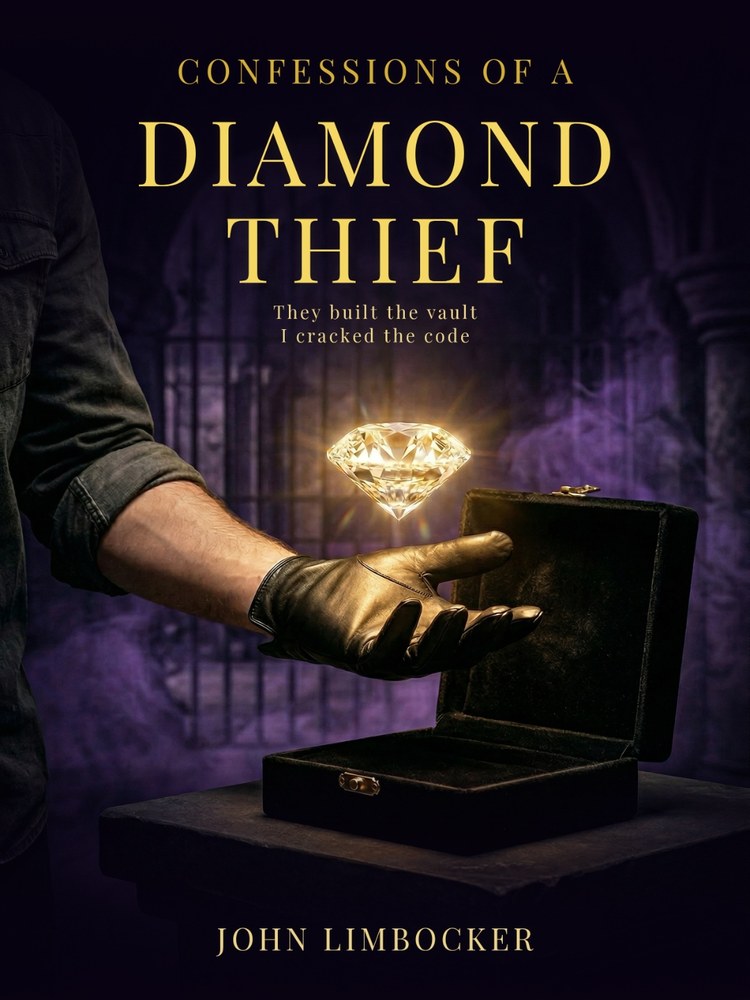
How I Cracked Every Algorithm Built to Keep Me Out — And What It Means for You Right Now
The fishing trip. The boardrooms. The $100 million in client sales. The night I decided to take the entire ad-agency playbook and hand it to the small business owner. The full Robin Hood story — sixteen chapters, five career waves, and a dedication that reads in full: “To the weasels. You were better teachers than you’ll ever know.”
Instant PDF download · No upsells inside the book · The diamonds are real and they pay off when you find them.
“I was born on the wrong side of the algorithm.
— John Limbocker, Founder · Internet Dominators
So I learned to crack it. And then I gave the key to everyone else.”